


A marathon for Silvia and for Frontotemporal Dementia research (FDT)


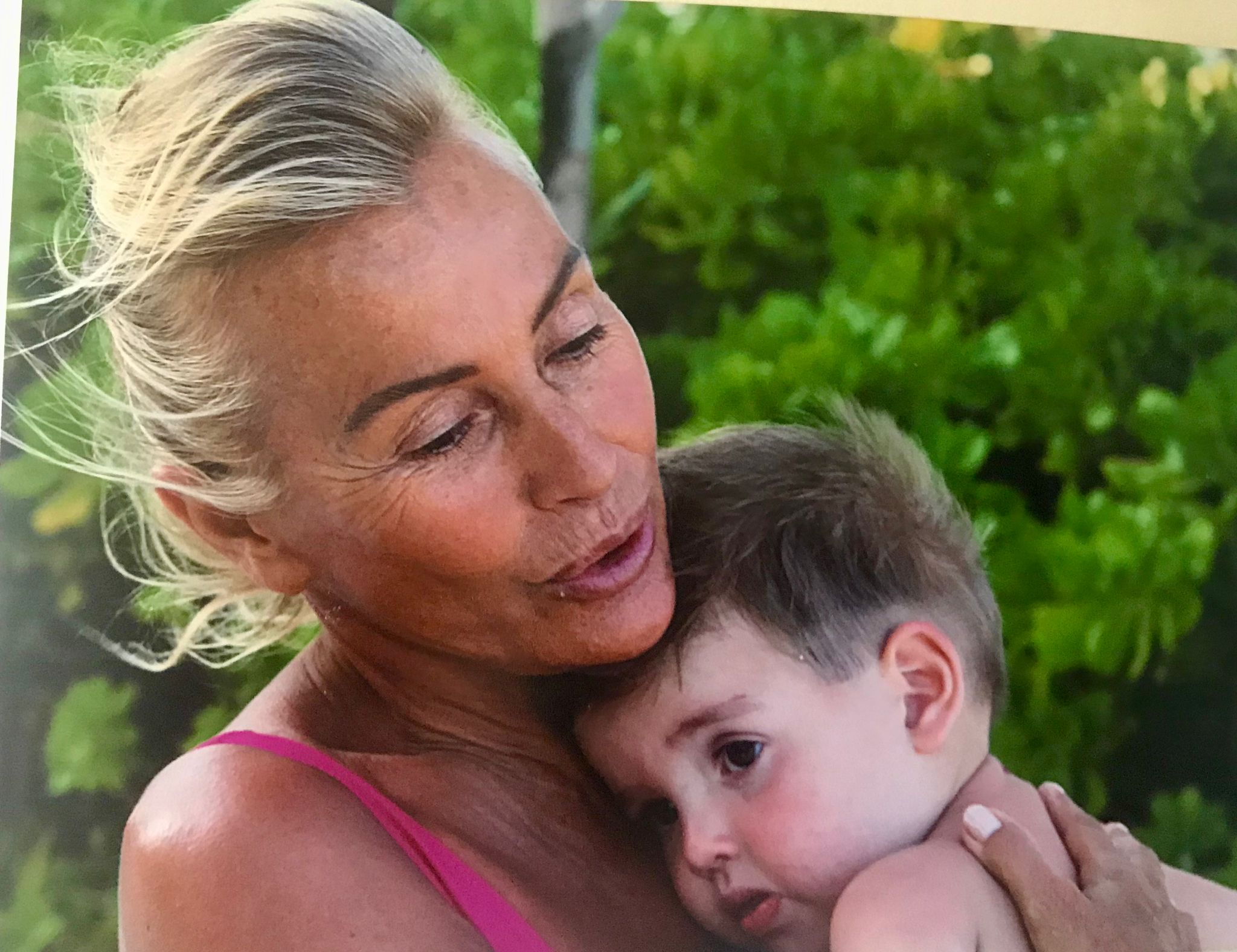
There are gestures that are born from love and become a concrete commitment. This is the case for Edoardo, who on November 1st, 2026, will be at the starting line of the New York City Marathon with a special goal: to run for his grandmother, Silvia, and support scientific research into Frontotemporal Dementia.
A 42.195-kilometer challenge through the city’s five boroughs, chosen not only for its athletic value but also for the great international visibility that this marathon represents. “I signed up for precisely that reason,” says Edoardo. “The decision came after my grandmother was examined at the ‘Centro Dino Ferrari’: I wanted to do something.”
Silvia Monti Cornacchia D.B. was a woman of great strength, elegance, and intelligence. An actress and a familiar face in 1970s cinema, she was an icon of her time, capable of leaving a mark even beyond her professional life. For her family, however, she was always above all a fundamental presence: a beloved wife, mother, and grandmother, capable of transmitting love, respect, and a deep sense of family.
For Edoardo, in particular, she was always much more than a grandmother. She was a point of reference, almost a second mother, who supported him even through the most important choices in his life, such as moving to England at just 12 years old to study.
In recent months, however, the lives of Silvia and her family have changed rapidly due to Frontotemporal Dementia, a neurodegenerative disease that is still little known. The condition mainly affects the frontal and temporal areas of the brain and can cause changes in behavior, personality, language, and, in some cases, movement and a person’s independence.
“In our case, in August my grandmother was doing great. Today, she cannot walk, she cannot speak, she cannot move. It was very fast,” says Edoardo, highlighting how the disease can have a deep and sudden impact on the daily lives of patients and their families.
It is precisely from this experience that the desire to transform pain into a concrete gesture was born. Edoardo has chosen to run the New York City Marathon to raise awareness about the condition and collect funds to support research. “I am doing it for my grandmother, obviously, but also for research itself,” he explains.
The fundraiser, launched on GoFundMe, will support the work of the “Centro Dino Ferrari” – University of Milan, Policlinico di Milano, which is engaged every day in the study of neurological diseases with the goal of understanding their mechanisms and contributing to the development of increasingly effective diagnostic and therapeutic perspectives.
Among the active projects, our Center has launched a study dedicated to the role of the glymphatic system in the progression of neurodegenerative dementias. The project aims to identify reliable biomarkers to assess its activity and to identify biological mechanisms that can be modulated through pharmacological interventions or non-invasive techniques. This is a particularly relevant field of research, because the malfunctioning of the glymphatic system could contribute to the accumulation of toxic proteins in the brain, fostering the development and progression of various forms of dementia.
During the interview, Edoardo also describes the deeper meaning of this choice: “The marathon is a way to make an effort that is somewhat equivalent to the one my grandmother is making today.” A test of physical and mental endurance, but above all a way to carry with him her story and that of all the families who face a similar diagnosis.
Research, in fact, requires time, continuity, and support. Initiatives like this are important not only to raise funds but also to spread awareness about still-little-known diseases and introduce new people to the value of scientific research.
At the New York City Marathon, Edoardo will also ideally bring Silvia with him. He is planning a dedicated t-shirt with the Center’s logo and a special reference to his grandmother. “I told her, and she got emotional,” he recounts. “Today she can no longer speak; she expresses herself a bit with her eyes, but you could see she understood that I was doing something for her.”
Every step will therefore be an act of love, but also an invitation to support research. For Silvia, for all the people living with Frontotemporal Dementia, and to build new possibilities for the future.
Support Edoardo’s fundraiser on GoFundMe and help us run alongside research. https://www.gofundme.com/f/ftd-edoardo-Silvia-CentroDinoFerrari
Support the research