

From patient to lab and back: the translational research model of the “Centro Dino Ferrari”


Every advance in research stems from a question. Sometimes it is an unexplained symptom; other times, a previously unknown genetic variant or an unexpected disease progression. By observing patients, new research hypotheses take shape, which are then studied in depth in the laboratory before returning to clinical practice with a clear goal: making diagnoses more accurate and developing new therapeutic possibilities.
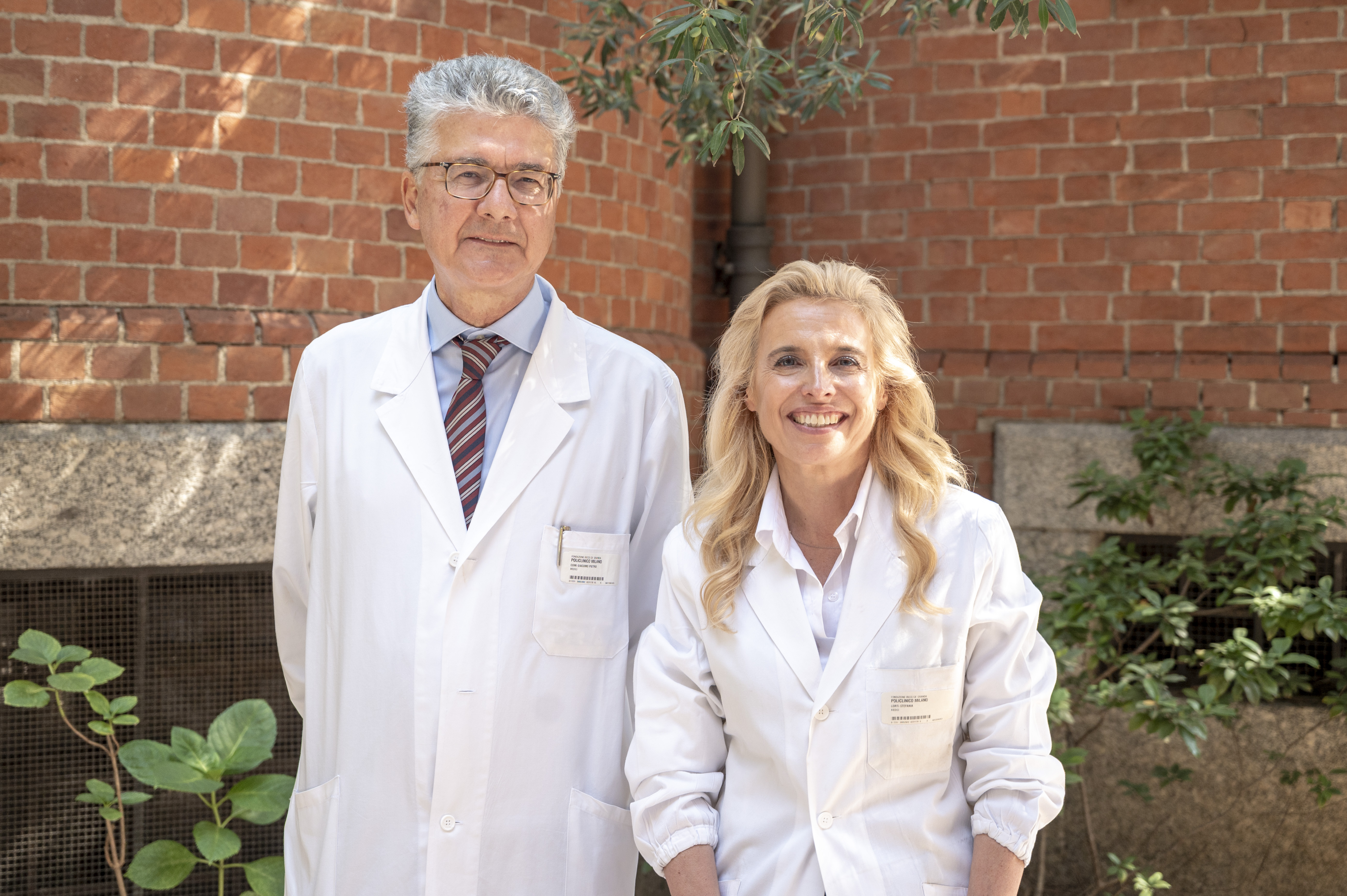
This is the research model of our “Centro Ferrari” at the University of Milan – Policlinico Hospital, featured in an in-depth interview published by INNLIFES. Through the words of Prof. Giacomo Comi, Director of the Complex Operative Unit (SC) of Neurology, and Prof. Stefania Corti, Director of the Simple Departmental Unit (SSD) of Neurology for Neuromuscular and Rare Diseases, the feature illustrates how the continuous dialogue between clinic and laboratory represents one of the Center’s defining elements.
“It is a cycle, and the Center is organized specifically to bring both ends of this loop together,” explains Professor Giacomo Comi, describing the pathway that turns bedside observations into new studies and, subsequently, into more precise diagnoses, biomarkers to monitor, and new therapeutic hypotheses.
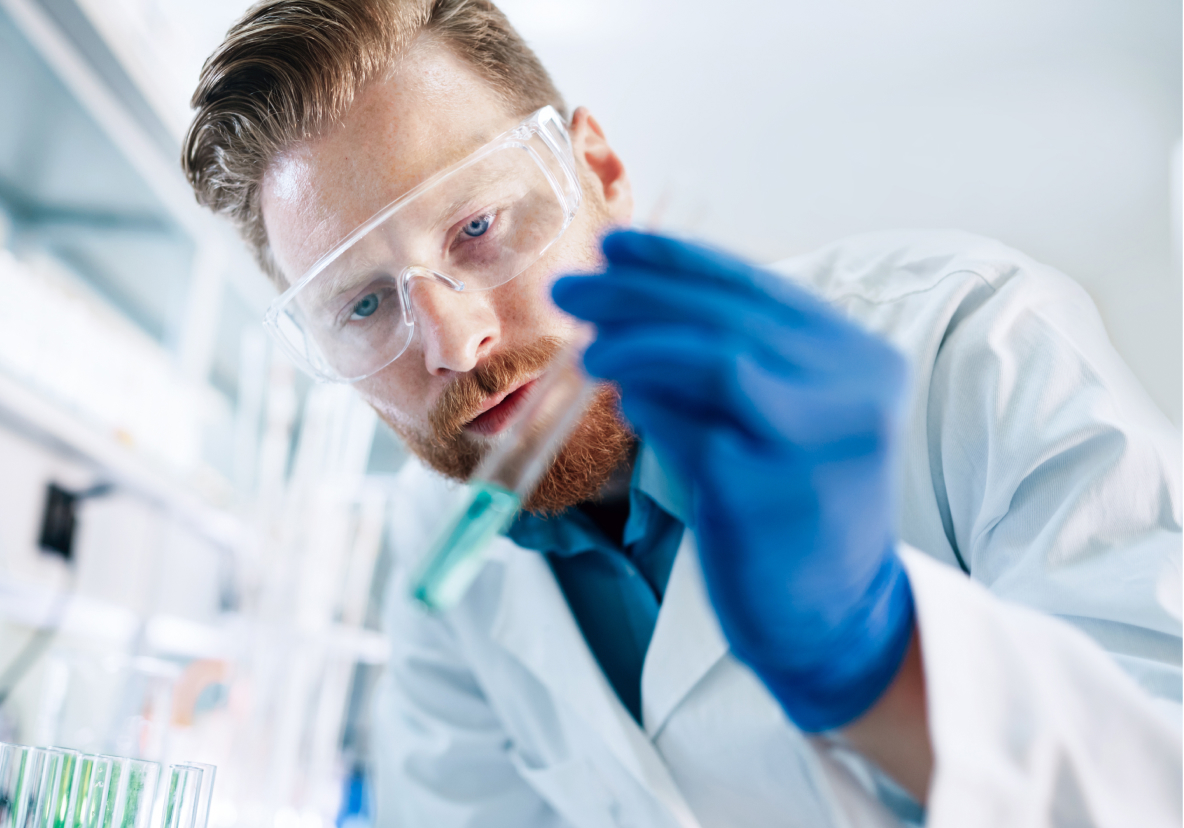
Laboratory research plays a pivotal role in this process. Starting from a small blood or skin sample, researchers can reprogram the patient’s cells, guide them to become the neurons of interest, and develop three-dimensional disease models, such as organoids and assembloids.
“These models allow us to observe the disease as it happens. We can see when and how neurons begin to suffer, record their electrical activity, and analyze cell-by-cell which genes are turned on and off,” says Prof. Stefania Corti. This makes it possible to study disease mechanisms from their earliest stages, understand their progression, and evaluate new therapeutic strategies in models that replicate key aspects of human neural tissue.
The goal is to make medicine increasingly personalized, shifting the center of gravity from a diagnostic category to the individual and their specific disease mechanism. “Personalized medicine doesn’t just mean tailored therapy,” emphasizes Prof. Corti. It also means achieving earlier and more precise diagnoses, identifying the most appropriate treatment, and building care plans that account for the individual and their unique medical history.
The INNLIFES feature thus captures the value of research that puts people at the center. Every discovery represents a step forward—not only in our understanding of neuromuscular, neurodegenerative, and cerebrovascular diseases, but also in our ability to offer patients new diagnostic and therapeutic prospects, along with an improved quality of life.
Support the research