
New results in gene therapy for SMARD1: a study paves the way for safer and more effective treatments


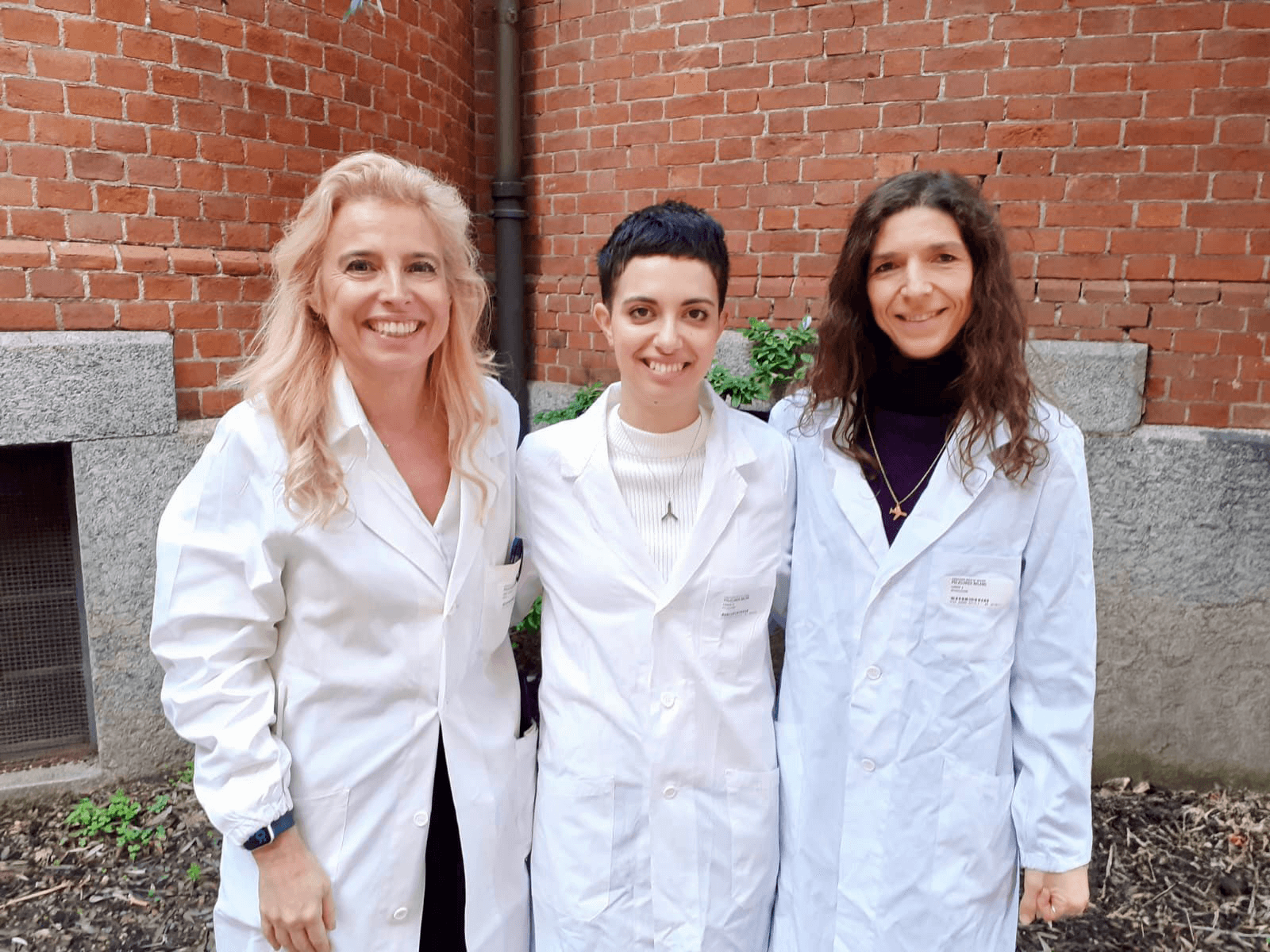
A study led by Prof. Stefania Corti from the Dino Ferrari Center at the University of Milan and the Policlinico of Milan, in collaboration with Nationwide Children’s Hospital (Ohio, USA), has enabled a significant advance in gene therapy for SMARD1, a rare and severe childhood neuromuscular disease for which, currently, no approved specific therapies exist.
SMARD1 (Spinal Muscular Atrophy with Respiratory Distress type 1) is caused by mutations in the IGHMBP2 gene and rapidly leads to respiratory failure and progressive paralysis.
The study, published in the international journal Journal of Biomedical Science, addresses one of the main remaining challenges in gene therapy for SMARD1: how to achieve effective, long-lasting, and safe expression of the therapeutic gene over time.
The researchers compared two optimized versions of an AAV9 viral vector, used as a “vehicle” to deliver a functional copy of the IGHMBP2 gene into cells, in a SMARD1 animal model. The two vectors differ in their promoter, the DNA element that regulates the activation of the therapeutic gene, determining the intensity, distribution, and duration of its expression.
The research, with main authors Elisa Pagliari and Monica Nizzardo—researchers at the Dino Ferrari Center—demonstrated that both vectors significantly improve survival, motor function, and motor neuron preservation, while also restoring neuromuscular innervation. For the first time, a marked inflammatory component was identified in the SMARD1 spinal cord, which is corrected by gene therapy.
Among the two constructs tested, the one driven by the P546 promoter proved to be the most promising in the long term, ensuring more physiological gene expression, greater motor neuron protection, reduced inflammation, and a more pronounced improvement in muscle and cardiac abnormalities.
These new results provide valuable insights for optimizing the therapeutic approach underlying the first international clinical trial of gene therapy for SMARD1/CMT2S, which began before the publication of this study and is currently ongoing at Nationwide Children’s Hospital in Columbus (USA), helping to improve safety, dosing, and efficacy in future clinical applications.
The study confirms the leading role of research at the Dino Ferrari Center of the University of Milan and the Policlinico of Milan in the fight against rare neuromuscular diseases and was made possible thanks to the support of the Dino Ferrari Center Association, Family’s Smard – La dolce Federica Onlus, and the families of SMARD1 patients, highlighting the crucial value of synergy between researchers, clinicians, associations, and patients.
For more information: CLICCA QUI
Support the research