




Medical Genetics Laboratory, featuring departments of Molecular Genetics, Cytogenetics, and units for Bioinformatics and Computational Biology
Affiliation and Location
Università / Centro di ricerca di appartenenza IRCCS E. Medea dell’Associazione La Nostra Famiglia
Contacts and References
Head of Laboratory: Dott.ssa Maria Teresa Bassi
mariateresa.bassi@lanostrafamiglia.it 031877111
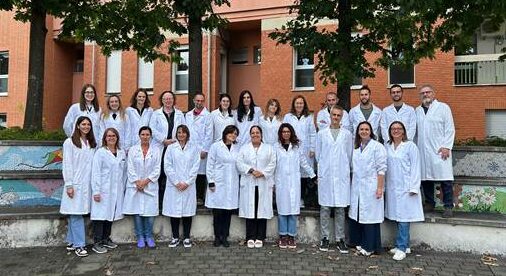
The Laboratory is a diagnostic and research facility operating since 1996, organized into three sections: Molecular Genetics, Cytogenetics, and Bioinformatics and Computational Biology. Molecular Genetics and Cytogenetics constitute the highly specialized Medical Genetics laboratory, conducting both diagnostic and research activities, while the Computational Biology unit is dedicated exclusively to research. Utilizing advanced genetic and genomic methods (NGS, CGH-Array, OGM), the laboratory has identified the genetic basis of various neurodegenerative and neurodevelopmental disorders, developing cellular and animal (Drosophila) models to characterize pathogenetic mechanisms.
The identification of genetic bases constitutes the first step in the diagnosis of hereditary pathologies. The use of molecular genetic methods (from traditional sequencing to NGS) and cytogenetics (from high-resolution karyotyping to FISH and CGH-Array) has enabled the etiological definition of neurodegenerative and neurodevelopmental disorders for both diagnostic and research purposes. In recent years, the use of NGS for the analysis of pathology-specific gene panels and the whole exome has led to a radical acceleration in the genetic diagnosis of many complex neurological and neuropsychiatric pathologies.
Activities focus on defining the genetic component of relevant pathologies through: the analysis of genetic and genomic variants to identify genes and molecular mechanisms associated with phenotypic traits; the study of pathogenesis using both cellular and Drosophila models; and the identification of variants under selection to study genes involved in cognitive processes or infectious phenomena. Furthermore, the laboratory analyzes mechanisms of adverse drug reactions in pediatric patients.
The laboratory is capable of utilizing and integrating diverse data types obtained through various technologies, including: NGS for exomes, genomes, and transcriptomes; CGH-Array and Optical Genome Mapping for the definition of structural variants.
Contact persons
Scientific Director Dr.ssa Maria Teresa Bassi