



ALS: ARISLA awards €830,000 for 6 new research projects


Fondazione AriSLA, the main non-profit organization funding ALS research in Italy, announces a new €830,000 grant to support the development of 6 innovative projects, selected through the 2025 Call for Proposals.
The Call was open to researchers from Italian universities and public and private non-profit research institutes in Italy, who could apply in the areas of basic, preclinical, or observational clinical research on ALS, a severe neurodegenerative disease: those affected progressively lose the ability to speak, move, and breathe independently, with approximately 6,000 people affected in Italy alone. Scientific research is the essential tool to discover effective therapies to combat it.
“The new projects respond to the priorities outlined in our Strategic Research Plan,” emphasizes Lucia Monaco, President of AriSLA, “with the aim of enhancing collaboration between basic and clinical researchers and stimulating proposals with the greatest potential impact for patients. Through these studies, we aim to increase knowledge in crucial areas of ALS research, identified internationally, with a vision of increasingly synergistic and therefore effective research. Our goal is to continue supporting excellent research to advance towards the clinical development of therapies that provide concrete answers to the needs of the patient community.”
With this latest funding, the Foundation reaches a total of €17.8 million allocated to research, made possible thanks to the support of those who believe in the value of research. The contribution of the four founding members — AISLA, Fondazione Cariplo, Fondazione Telethon, and Fondazione Vialli e Mauro for Research and Sport Onlus — has been fundamental. In over fifteen years of activity, AriSLA has supported 160 research groups and 115 projects across Italy, to which 5 new research groups and 6 projects are now added. Previously funded projects have generated over 400 scientific publications, highlighting the quality of the studies and their high impact on the international scientific community.
“The new projects were selected through a highly rigorous process conducted by international experts, which rewarded scientific merit,” says Anna Ambrosini, Scientific Director of Fondazione AriSLA. “The topics focus on areas of high relevance: biomarkers, essential for timely diagnosis and monitoring disease progression; new models for ALS study; investigation of neurodegenerative mechanisms; and development of innovative therapies targeting mutations in genes that cause ALS, such as those encoding TDP-43 and TBK1. Through these new studies, AriSLA is also supporting young researchers and attracting experts from other fields who bring new skills for ALS research.”
THE SIX SELECTED PROJECTS – 11 research groups are involved in the new projects (6 previously funded), distributed across Bari, Brescia, Genoa, Milan, Monza, Naples, Rome, and Turin. There are three multi-year, multicenter studies (Full Grant) focusing on promising research areas based on solid preliminary data, and three annual projects (Pilot Grant) testing innovative and original ideas.
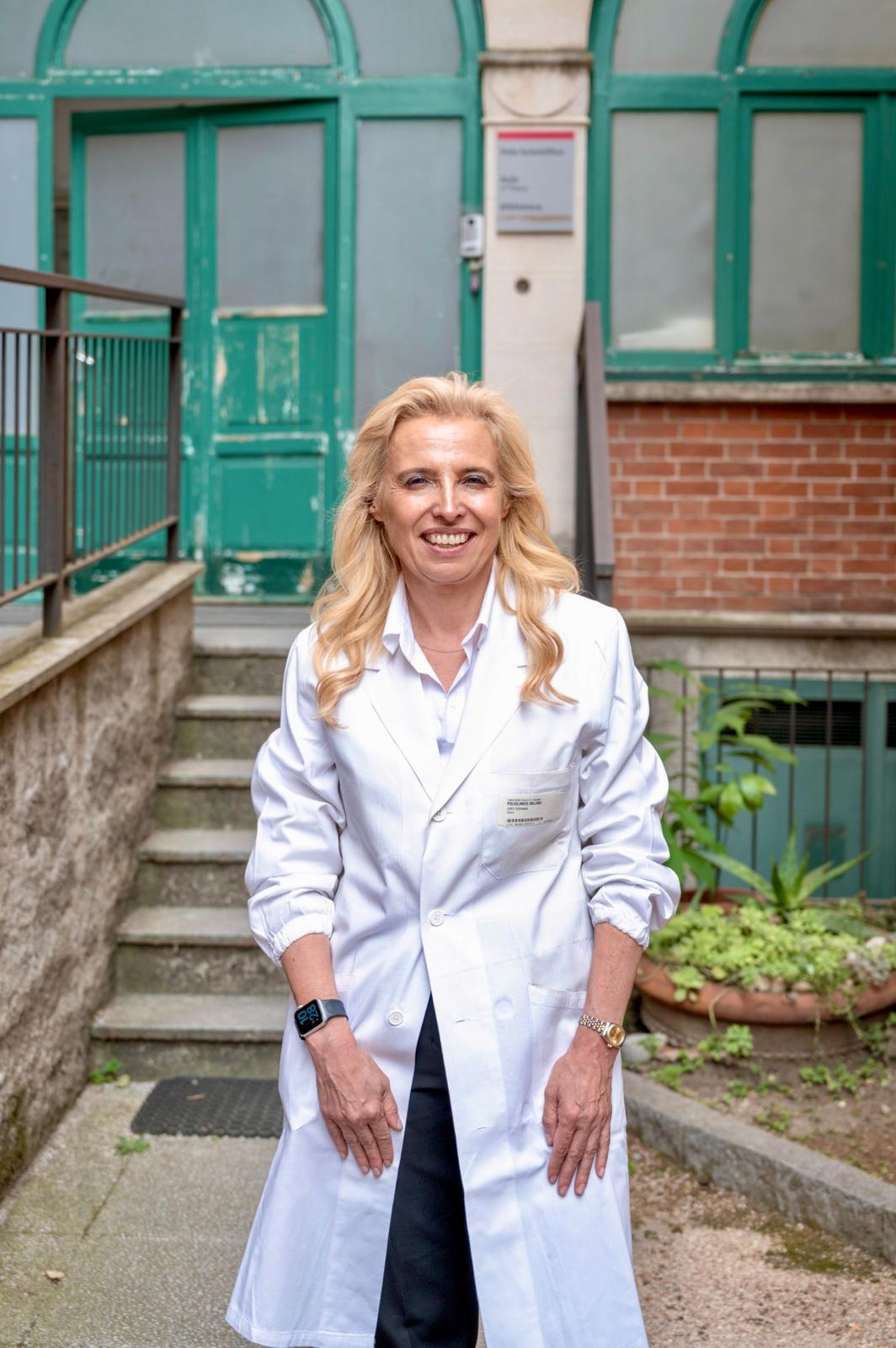
Two projects focus on identifying new biomarkers for early diagnosis and monitoring of ALS progression. This is the aim of the ‘DORALS’ project, coordinated by Marta Fumagalli of the University of Milan, with partners Tiziana Bonifacino (University of Genoa), Stefania Corti (Fondazione IRCCS Cà Granda Ospedale Maggiore Policlinico, Milan), and Claudia Verderio (Institute of Neuroscience, CNR, Vedano al Lambro). This study will investigate whether a particular type of extracellular vesicles (particles produced by nearly all cells to communicate and measurable in plasma), generated by oligodendrocytes — non-neuronal cells supporting the central nervous system — could serve as a disease biomarker.
The ‘FLAIR-ALS’ study, coordinated by Umberto Manera (University of Turin), will evaluate respiratory function decline in ALS patients using innovative techniques and AI-based analyses. This clinical study is highly relevant for patients, as it will provide personalized tools to predict disease progression in a timely manner and guide appropriate care interventions.
Two multi-year projects will focus on developing therapies targeting specific genetic mutations. The ‘GenTher_TBK1’ study, coordinated by Valeria Gerbino of Santa Lucia IRCCS, Rome, will aim to restore the correct function of the TBK1 gene, essential for neuronal health as it helps remove damaged proteins and regulate inflammation in the brain and spinal cord.
The ‘PRESTIGIOUS’ project focuses on specific mutations of the TARDBP gene, encoding TDP-43 protein, a central player in ALS pathogenesis, to study a novel therapeutic approach based on site-specific RNA correction. This study is coordinated by Ernesto Picardi (University of Bari Aldo Moro), with partners Alessandro Barbon (University of Brescia) and Antonia Ratti (University of Milan, IRCCS Istituto Auxologico Italiano, Milan).
Gian Giacomo Consalez (Vita-Salute San Raffaele University, Milan), with the ‘CreTDP-43’ project, will validate a new mouse model based on the TARDBP A382T mutation, replicating ALS’s genetic and pathological characteristics.
The pilot study ‘Pfn1-ALS’, coordinated by Alfonso De Simone (University of Naples Federico II), will examine the behavior of Profilin-1, a structural protein in neurons, whose mutations cause the formation of toxic aggregates responsible for hereditary and sporadic forms of ALS.
For more details on the funded projects and updates on the Foundation’s activities and results, please visit the AriSLA website: www.arisla.org.
Sostieni la ricerca