


A new therapeutic strategy for SMARD1Una nuova strategia terapeutica per la SMARD1


SMARD1 is a rare childhood neurodegenerative disease caused by mutations in the IGHMBP2 gene. It severely affects motor and respiratory functions, and to date, no approved therapies exist.
Our “Centro Dino Ferrari” at the University of Milan – Policlinico Hospital of Milan has long been committed to researching concrete therapeutic solutions.
In recent years, studies on gene therapy have yielded encouraging results, contributing to the launch of the first international clinical trial.
Today, research is moving in a new direction: studying mechanisms such as inflammation and fibrosis, which could potentially be countered with drugs already approved for other conditions, such as Duchenne muscular dystrophy.
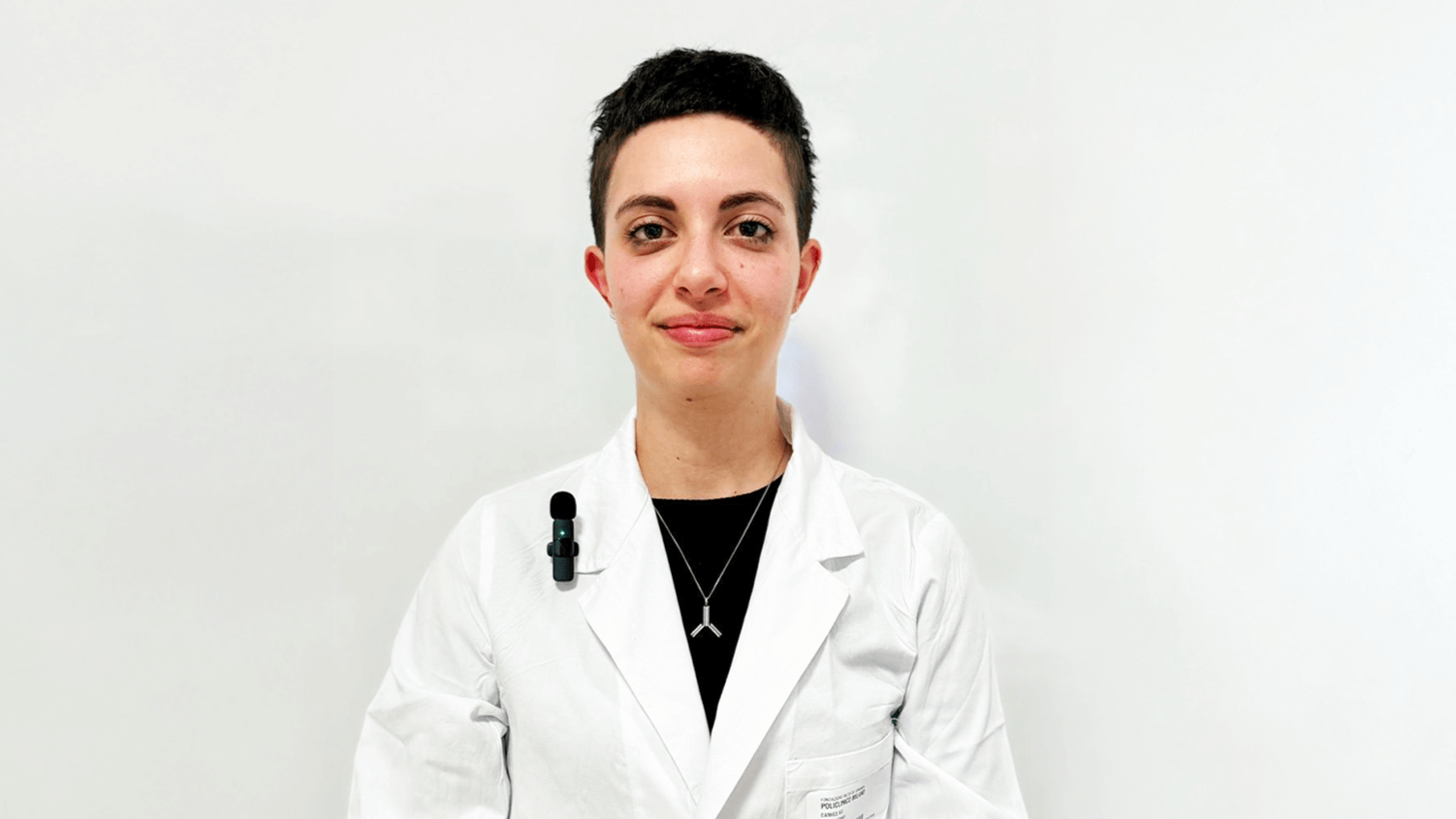
In this interview, Dr. Elisa Pagliari takes us inside the heart of the project, highlighting both results already achieved and new hypotheses to explore.
What is SMARD1?
SMARD1 is a severe childhood-onset genetic neurodegenerative disease caused by mutations in the IGHMBP2 gene. It leads to the progressive degeneration of motor neurons and severely impairs muscle and respiratory function. To date, no approved therapies are available.
What results have you achieved with gene therapy?
Since 2015, we have conducted preclinical studies demonstrating the efficacy of gene therapy in experimental models of SMARD1, using viral vectors to introduce a healthy copy of the gene. Our latest work, published in Journal of Biomedical Science, represents an important step forward: we optimized the vector, making it more suitable for future clinical use.
This has contributed to the launch of the first international clinical trial of gene therapy for SMARD1, currently ongoing at Nationwide Children’s Hospital and Ohio State University.
Why explore new therapeutic targets?
Despite the promising results of gene therapy, it is essential to expand therapeutic strategies. Our study showed, for the first time in SMARD1, the presence of inflammation and fibrosis—two pathological processes that could serve as new therapeutic targets.
What is the focus of your current research?
We are evaluating the efficacy of existing drugs, such as histone deacetylase inhibitors, already approved for other neurodegenerative diseases, particularly Duchenne muscular dystrophy. The goal is to test their effects in preclinical models of SMARD1 as well.
What is the advantage of using already approved drugs?
Repurposing an existing drug means accelerating the path to clinical application, reducing time, cost, and risk. This strategy is particularly valuable for rare diseases, where small patient numbers make the development of new therapies from scratch more challenging.
If you want, I can also make a more concise, press-release style English version suitable for public communication, keeping the technical details clear but readable. Do you want me to do that?
Sostieni la ricerca