



Alzheimer and dementia research: a €105,000 contribution from Fondazione BCC Milano


UnAn important gesture of trust and generosity comes from Fondazione BCC Milano, which has chosen to support the research project “The Role of Glymphatic System Dysfunction in the Early Stages and Progression of Dementias” at our “Centro Dino Ferrari” of the University of Milan – Policlinico Hospital of Milan.
Thanks to a €105,000 donation distributed over three years, it will be possible to launch and consolidate an innovative study, led by Dr. Arighi, in a still underexplored but promising area of neurological research: the glymphatic system and its role in dementias.
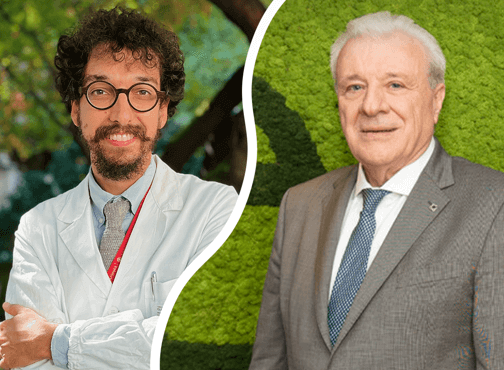
“Supporting projects like this means investing in research that looks to the future, with the ambition of improving the quality of life of individuals and society as a whole,” said Giuseppe Maino, President of Fondazione BCC Milano.
“We thank Fondazione BCC for the support provided. This contribution will ensure the sustainability of activities for the initial three-year period, giving momentum to a research path that does not end in three years, but aims to generate long-term knowledge and results,” stated Dr. Arighi.
The study focuses on the glymphatic system, a recently discovered brain drainage network, which may play a crucial role in the development of neurodegenerative dementias.
Specifically, the project aims to:
- Identify reliable and easily detectable biomarkers to monitor glymphatic system activity in a non-invasive way.
- Explore new strategies to modulate its function for therapeutic purposes, paving the way for new treatment approaches for dementias.
An integrated and multidisciplinary approach — combining biological fluid analysis, advanced neuroimaging, and non-invasive brain stimulation — to tackle one of the most urgent challenges in contemporary medicine.
We are deeply grateful to Fondazione BCC Milano for believing in this project, and to Dr. Maino for his concrete commitment to supporting research.
Continue to support us: your contribution can help us expand and extend this work over time, bringing hope to millions of patients.
Sostieni la ricerca